Speakers
Keynote speakers and featured sessions at IRAI 2026.
Keynotes and Featured Sessions
We are pleased to announce senior leaders from OpenAI, NEXTDC and La Trobe University as keynote speakers of IRAI 2026. All times below are local to Melbourne (AEST).
Speakers
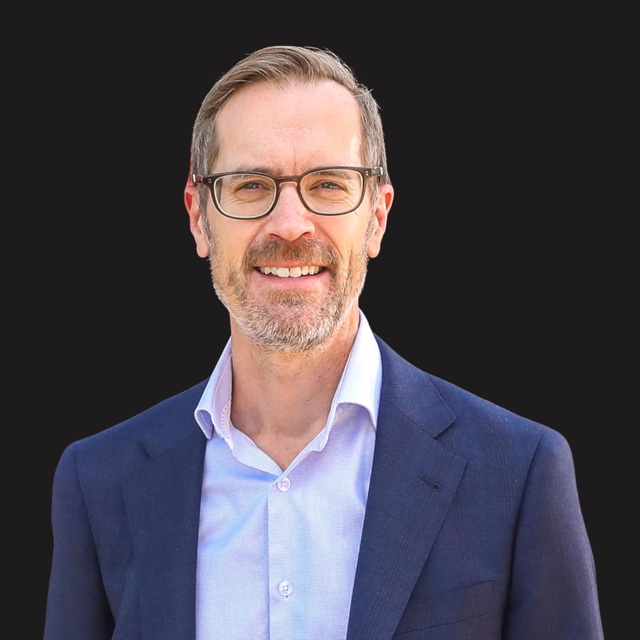 Prof. Theo FarrellLa Trobe University
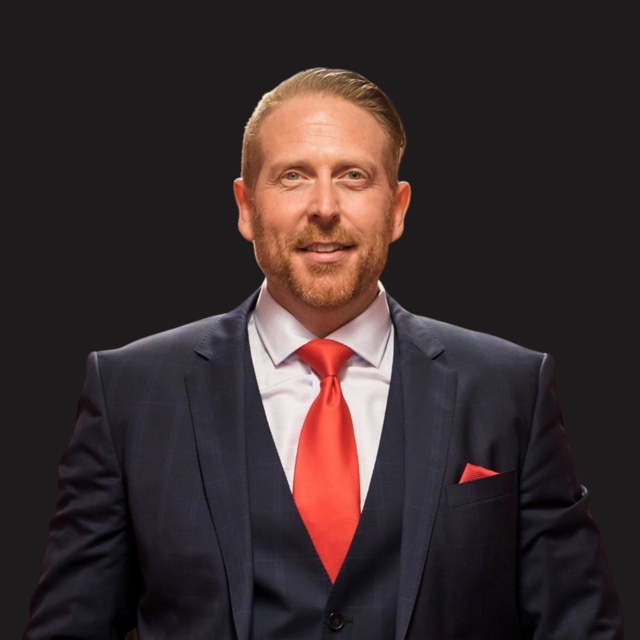 Craig ScroggieNEXTDC
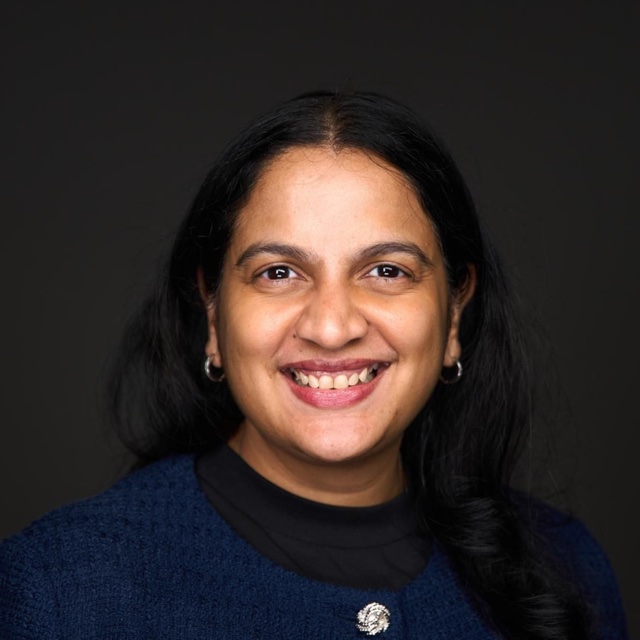 Satya TammareddyOpenAI
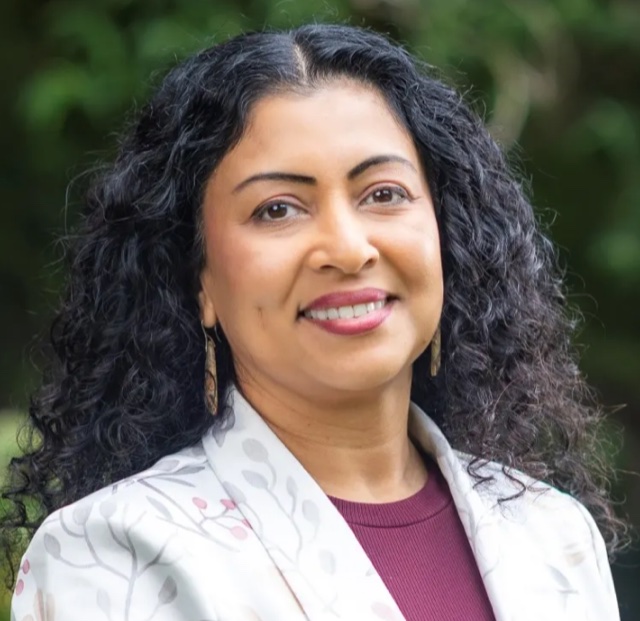 Dr Shalinka JayatillekeLa Trobe University
 Karine O'DonnellProjecting With People
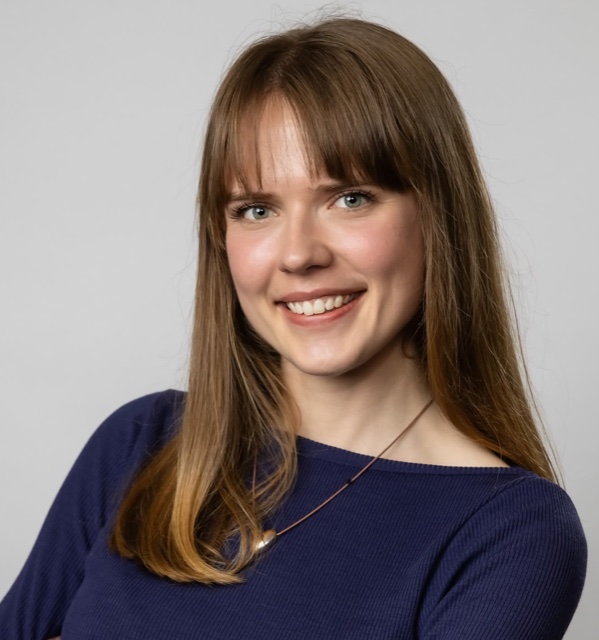 Lily Ballot JonesKomplyAI
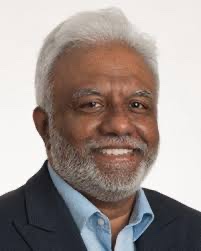 Prof. Saman HalgamugeUniversity of Melbourne
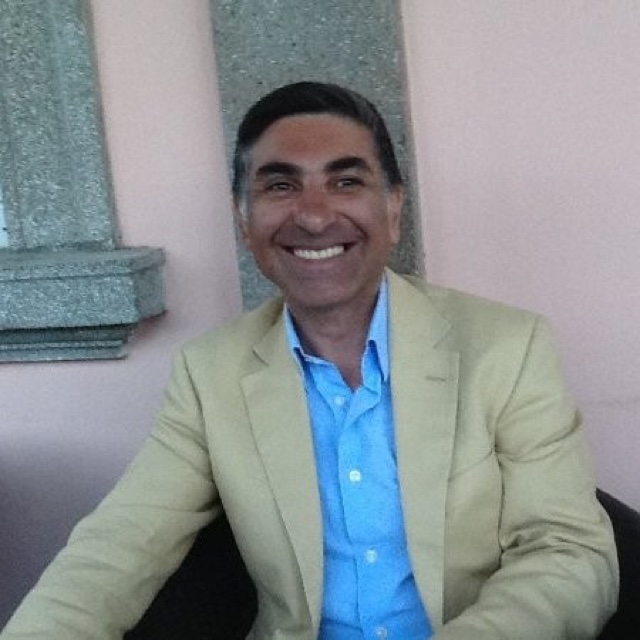 Robert IannelloArm
 Matt CossinsArm
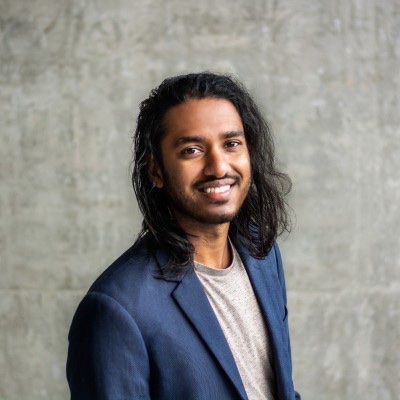 Dr Rajith VidanaarachchiUniversity of Melbourne
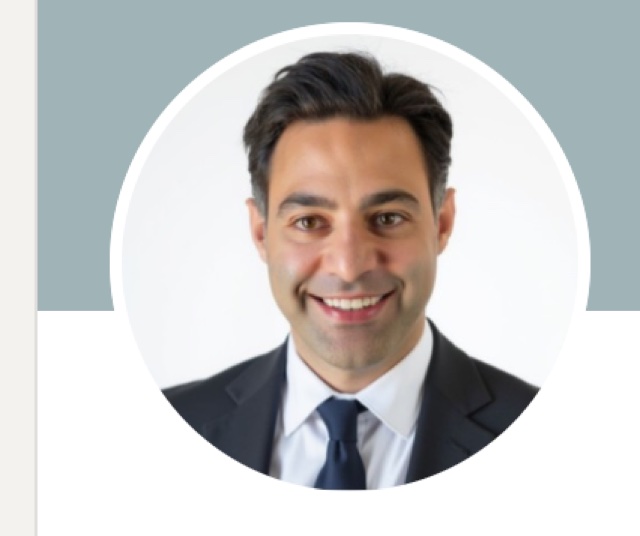 Dr Behnam ForouhandehRisepoint
Thursday 3 September
AI Inference at the Edge
Keynote by Arm Limited.
AI inference is rapidly expanding from the cloud to the edge, enabling increasingly intelligent experiences across mobile, automotive, industrial, IoT, and embedded systems. This session explores Arm’s AI at the Edge strategy and how technologies such as ExecuTorch are helping translate that strategy into practical on-device AI deployment.
The session begins with a 30-minute in-person presentation from Robert Iannello on Arm’s AI at the Edge strategy, exploring the evolution of AI from cloud-based computing towards increasingly distributed and on-device experiences. It provides an overview of Arm’s approach to enabling AI across a broad range of devices and markets, highlighting the importance of efficient, scalable computing and a strong software ecosystem. It also considers how advances across hardware and software are enabling developers to bring increasingly capable AI experiences to the edge.
Building on this strategic context, a technical presentation by Matt Cossins introduces ExecuTorch and its role in extending the PyTorch ecosystem to edge and embedded devices. The presentation follows the journey from PyTorch model development towards efficient on-device execution, providing an overview of model preparation, ahead-of-time compilation and optimization, runtime deployment, and backend delegation. Together, the two presentations connect the broader evolution of AI at the edge with the practical software workflows developers can use to deploy AI applications across Arm-based devices.
Robert Iannello
Director, Academic and Emerging Ecosystems, Arm
Arm Limited is a semiconductor IP licensing company with significant growth in the global AI sector. NVIDIA, AWS, Microsoft, Google, Meta and Samsung build on Arm chip designs to meet the growing compute demand that drives the AI era. Arm technology powers 99% of all Android and Apple smartphones, with over 350 billion chip shipments worldwide. arm.com ↗
Matt Cossins
Developer Ecosystem Manager, AI & Developer Platforms, Arm
AI Founders Panel: Building on Shifting Ground - What Survives the Next Model Release
Perspectives from founders building on rapidly evolving AI infrastructure
Sam Saltis
CEO, Core dna
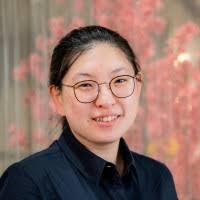
Dr. Jing Mu
Co-Founder, Virtetic

Dr. Ravini Savindya
CEO and Co-Founder of QuantCare

Dr. Lukas Wesemann
CEO and Co-Founder of Base Compute
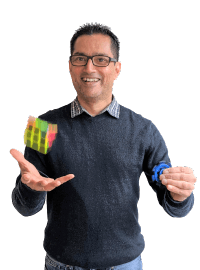
Kanchana Wickremasinghe
Vice President & Field Chief Technology Officer (Field CTO) at WSO2
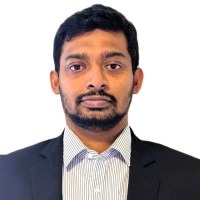
Dr. Harsha Moraliyage
AI Architect, La Trobe University
Friday 4 September
Plenary Keynote Session
Keynote speakers from OpenAI, NEXTDC and La Trobe University.
Satya Tammareddy
Head of GTM ANZ, OpenAI
OpenAI is the world's leading frontier AI lab. Its core mission is to ensure that artificial general intelligence benefits all of humanity. openai.com ↗
Craig Scroggie
CEO and Managing Director, NEXTDC
NEXTDC is Australia's leading AI infrastructure provider, an ASX-100 company that designs, builds, and operates premium data centres for critical digital infrastructure. nextdc.com ↗
Professor Theo Farrell
Vice-Chancellor, La Trobe University
La Trobe University is Australia's AI-first university, serving 40,000 students across seven metropolitan and regional campuses. La Trobe is ambitiously transforming research, education, industry engagement and student support through a responsible AI-first adoption strategy. latrobe.edu.au ↗
Physical AI: Are We Ready to Deploy Machines in Unstructured Environments?
Keynote by Prof. Saman Halgamuge.
Large Language Models (LLMs) have transformed the field of artificial intelligence. Their extension to computer vision has led to the emergence of Vision-Language Models (VLMs), paving the way for the next generation of Physical AI through Language-Action Models (LAMs) and Vision-Language-Action (VLA) models. These models integrate visual and linguistic information to generate concrete actions for autonomous agents and machines including robotic systems.
VLA models are fundamentally changing robotics. Rather than executing pre-programmed sequences of operations in structured environments, VLA-enabled robots are expected to interpret instructions, reason using external knowledge, adapt to unfamiliar situations, and perform tasks in previously unseen environments. Concurrent advances in world models, agentic AI, reinforcement learning, and foundation models are accelerating the development of intelligent robots capable of autonomous action.
The assumption that VLAs can fully represent the physical world using vision, language, and sensor inputs encoded as tokens is, at present, optimistic. Although these multimodal inputs can be fused through cross-attention mechanisms and transformer architectures can generate action sequences, there remain open research challenges.
This talk will examine the current state of Physical AI, the scientific and engineering challenges that remain, and the opportunities for deploying intelligent machines in complex, dynamic, and unstructured real-world environments.
One promising avenue we pursue in our research group is the development of richer world models that integrate scientific knowledge with data-driven learning. Physics-Informed Neural Networks (PINNs) incorporate physical laws, expressed as differential equations, into machine learning models. However, a comprehensive world model should extend beyond physics and training data and the corpora of general text it was trained on (if the backbone used is an LLM). Knowledge is also encoded in subject-specific textual descriptions, knowledge graphs and other structured representations. To build more robust and generalisable world models, we should exploit all available forms of prior knowledge. We have developed a new framework that enriches parameter discovery of model equations by integrating auxiliary knowledge sources alongside observational data [1, 2].
A second challenge we pursue is the integration of continuous time-series data into VLA models. Industrial robots operate in environments rich in continuous sensor signals, including force, vibration, current, temperature, and motion measurements. However, most LLMs and VLMs are pretrained on discrete modalities such as text and images, making their adaptation to continuous temporal signals non-trivial. To address this gap, we propose a temporal modulation framework that fine-tunes LLMs and VLMs to effectively process time-series inputs alongside images and text, enabling VLA models to capture complex temporal dynamics and make more informed decisions in real-world robotic applications [3].
References:
- Knowledge Inclusive Machine Learning for Disease Gene Prioritisation. CJ Gamage, Y Xia, R Rupasinghe, S Senevirathne, D Senanayake, …, S. Halgamuge. bioRxiv 2026.04.29.721522, 2026.
- Knowledge Inclusive Adaptive Physics-Informed Neural Network for Microbial Interaction Modelling. R Rupasinghe, R Vidanaarachchi, A Hevapathige, S Seneviratne, S. L. Tang, S. Halgamuge. arXiv:2606.07686, 2026.
- Rethinking Time Series Forecasting with LLMs via Nearest Neighbor Contrastive Learning. J Bogahawatte, S Seneviratne, M Perera, S Halgamuge. arXiv:2412.04806, 2026.
Prof. Saman Halgamuge
Professor, The University of Melbourne
Prof Saman Halgamuge, Fellow of IEEE, IET, AAIA and NASSL, is a Professor at The University of Melbourne. He previously served as Head of the School of Engineering at the Australian National University, Associate Dean of the Faculty of Engineering and Information Technology at The University of Melbourne, and a member of the Australian Research Council (ARC) grant assessment panel.
Prof Halgamuge received his Dipl.-Ing. and Ph.D. degrees in Data Engineering from the Technical University of Darmstadt, Germany. He is recognised among the top 2% of the world’s most-cited researchers in Artificial Intelligence and Image Processing in the Stanford/Elsevier database. He was appointed an IEEE Computer Society Distinguished Visitor (2024–2026) and served as an IEEE Computational Intelligence Society Distinguished Lecturer (2018–2021). In 2026, he was recognised as a Distinguished Contributor of the IEEE Computer Society.
His research has been supported by major national and international funding agencies, including the Australian Research Council, National Health and Medical Research Council, the US Department of Defense Biomedical Research Program, and leading industry partners such as Bosch Germany and Google US. His interdisciplinary research contributions span artificial intelligence, machine learning, optimisation, and biomedical applications.
Prof Halgamuge has supervised more than 50 PhD graduates and delivered over 60 keynote and invited presentations at international conferences worldwide. His research publications have received more than 17,500 citations, with further details available through his Google Scholar profile.
Human Skills for an AI World
How AI is reshaping work, workplaces, jobs and skills.
Dr Shalinka Jayatilleke
Senior Lecturer in AI and Analytics, La Trobe University
Karine O'Donnell
Founder & Director, Projecting With People
Lily Ballot Jones
AI Law Researcher, KomplyAI
Dr Rajith Vidanaarachchi
Research Fellow, University of Melbourne
Dr Behnam Forouhandeh
Director of Academic Services, Australia, Risepoint
Can AI help family violence-survivors achieve 'safety'?
Promise, peril, and practice at the intersection of AI and family violence response
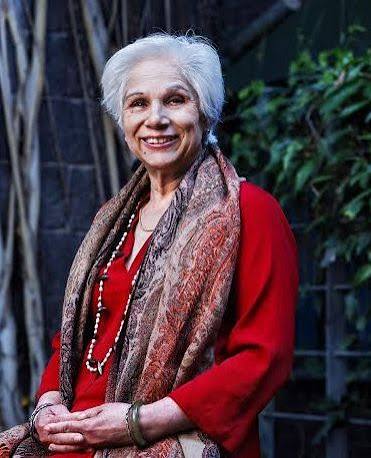
Supriya Singh
Chair of IEEE IC25-008, Adjunct Professor - La Trobe University and Multicultural Women's Alliance Against Family Violence
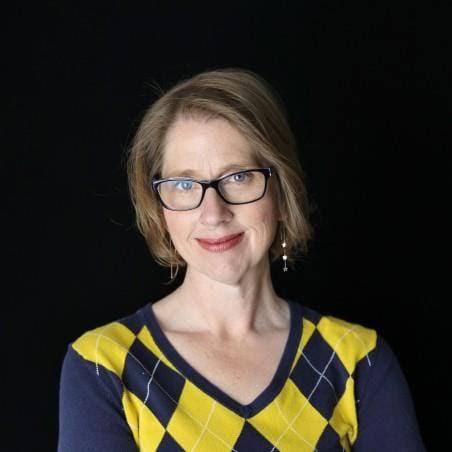
Sarah Barnbrook
Founder, Away from the Keyboard
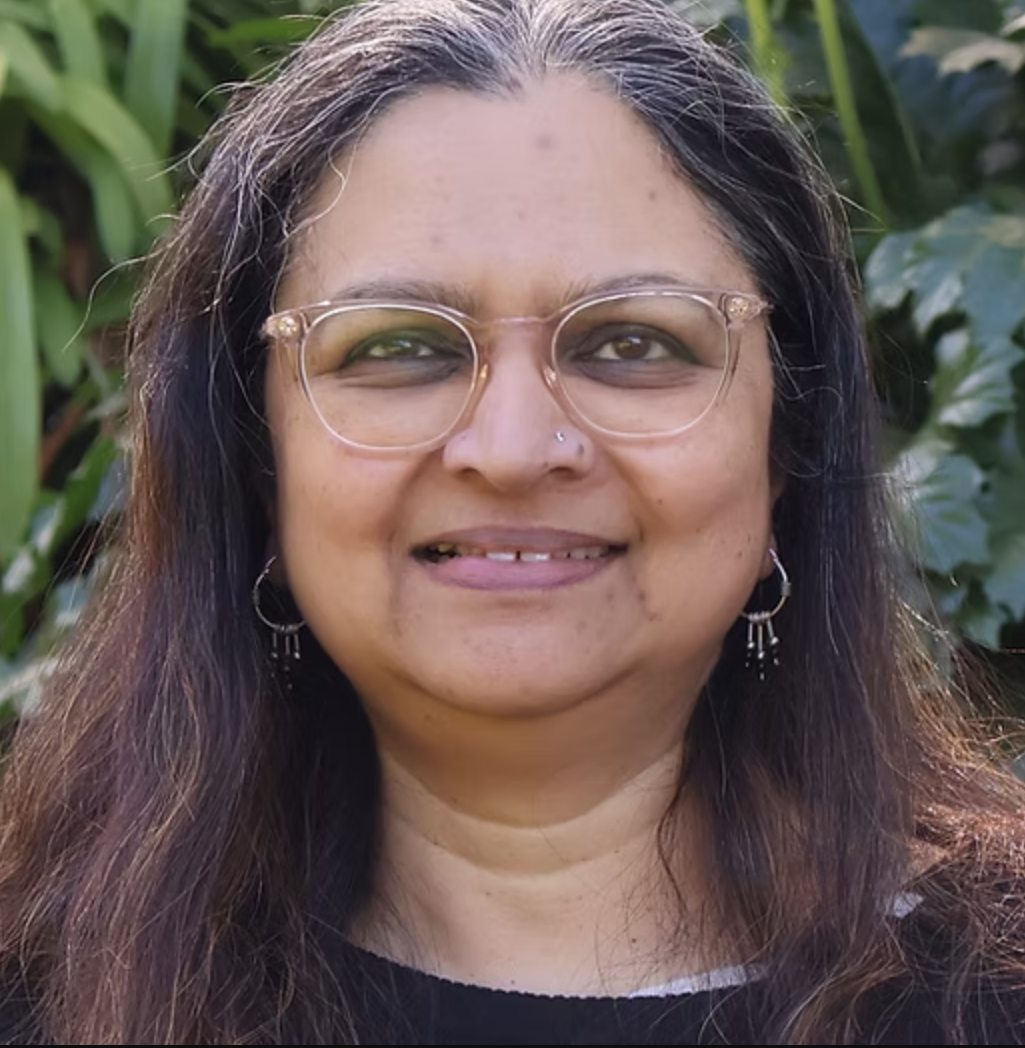
Druma Datey
Multicultural Women's Alliance Against Family Violence; and Indian Care

Haroon Sayed
Head of Operations, Bakhtar Community Organisation

Zainab Sakhizada
head of Operations, Bakhtar Community Organisation
Dr. Greg Adamson
SSIT Technical Activities, Vice President